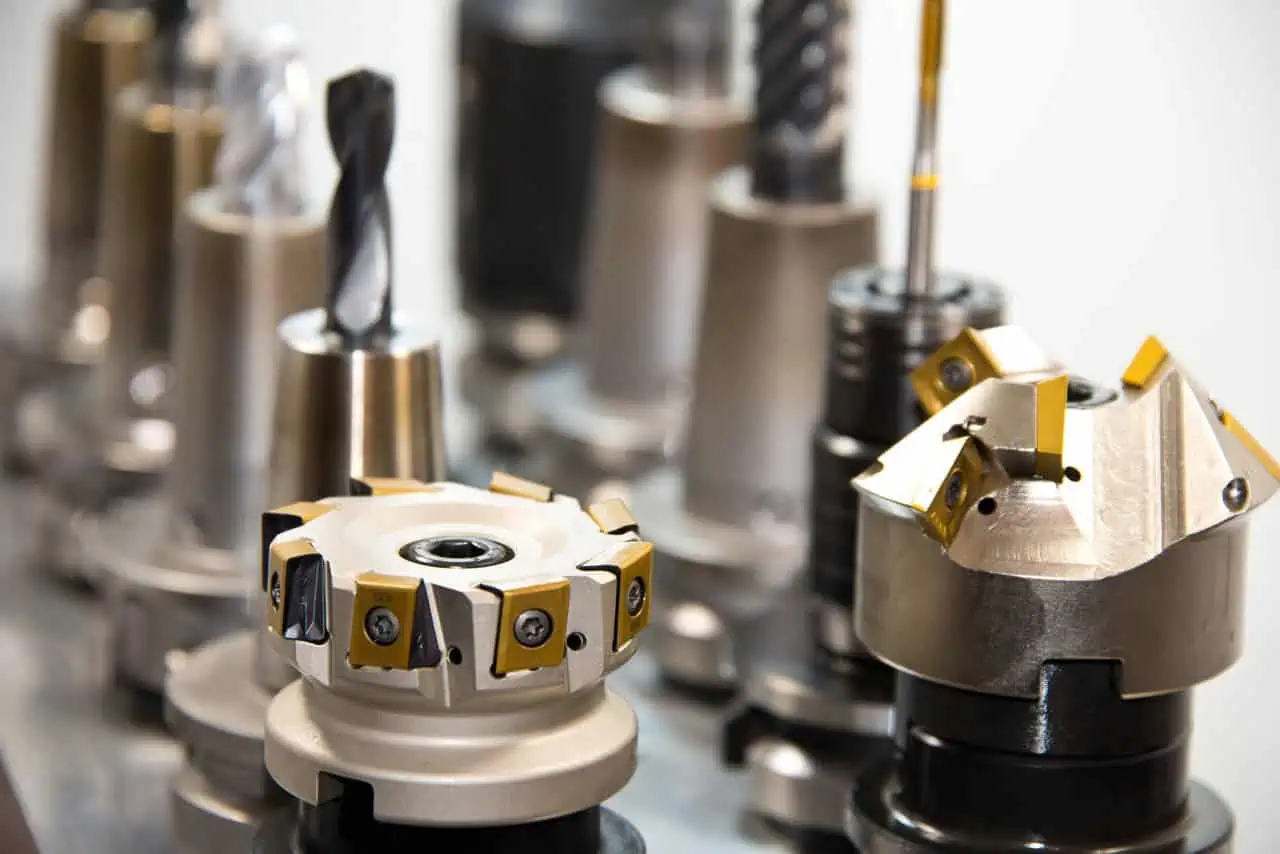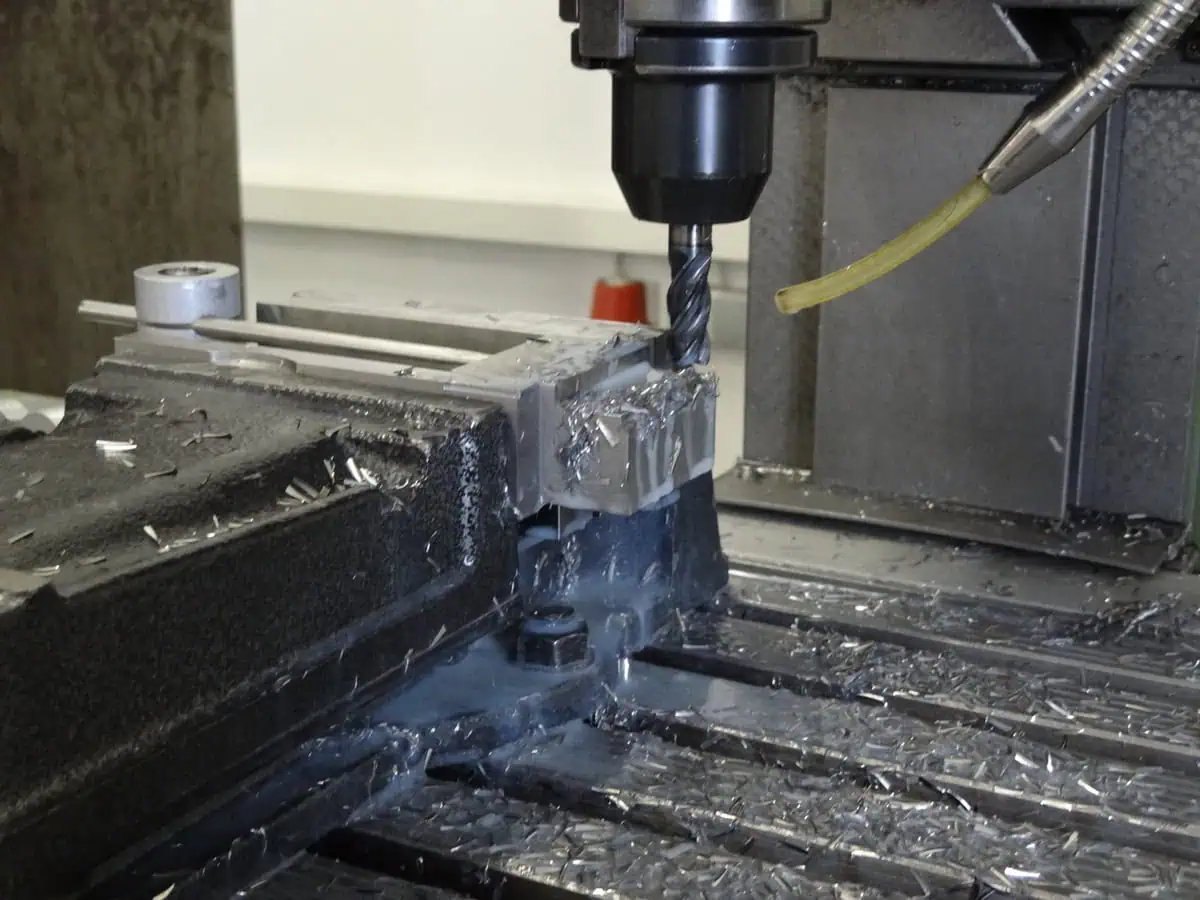
CNC turning is a manufacturing process used to create cylindrical and rotational components. It is widely used in automotive, aerospace, industrial machinery, electronics, medical equipment, and many other industries. In CNC turning, a workpiece is mounted securely in...
Notes From the Floor
Design-for-manufacturability advice, material trade-offs and inspection notes — written by the people who program the machines, not by a marketing department.
5-Axis CNC Machining: Advantages and Applications
Five-axis CNC machining represents one of the most advanced forms of computer-controlled manufacturing. Unlike traditional three-axis machines, five-axis equipment can move the cutting tool and/or workpiece along five different axes. This additional movement allows...
Choosing the Right Material for CNC Machining
Material selection is one of the most important decisions in CNC manufacturing. The material affects machining performance, component strength, weight, durability, corrosion resistance, cost, surface finish, and final application performance. Aluminum is one of the...
CNC Prototyping: Why CNC Machining Is Ideal for Product Development
Developing a new product requires testing, improvement, and validation. Before launching a product into full-scale production, engineers often need physical prototypes to evaluate form, fit, function, and performance. CNC machining is one of the most effective methods...
How CNC Machining Improves Manufacturing Precision and Quality
Precision is one of the most important factors in modern manufacturing. A component that is slightly outside its required dimensions may fail to fit correctly, reduce product performance, or create safety problems. CNC machining provides manufacturers with advanced...
Benefits of CNC Machining for Modern Manufacturing
Modern manufacturing requires speed, precision, flexibility, and consistent quality. CNC machining has become a critical technology because it addresses many of these requirements simultaneously. One of the primary benefits of CNC machining is high precision....
CNC Milling vs. CNC Turning: What Is the Difference?
CNC milling and CNC turning are two of the most widely used machining processes in modern manufacturing. Although both use computer-controlled equipment to remove material from a workpiece, they operate differently and are suited to different types of components....