
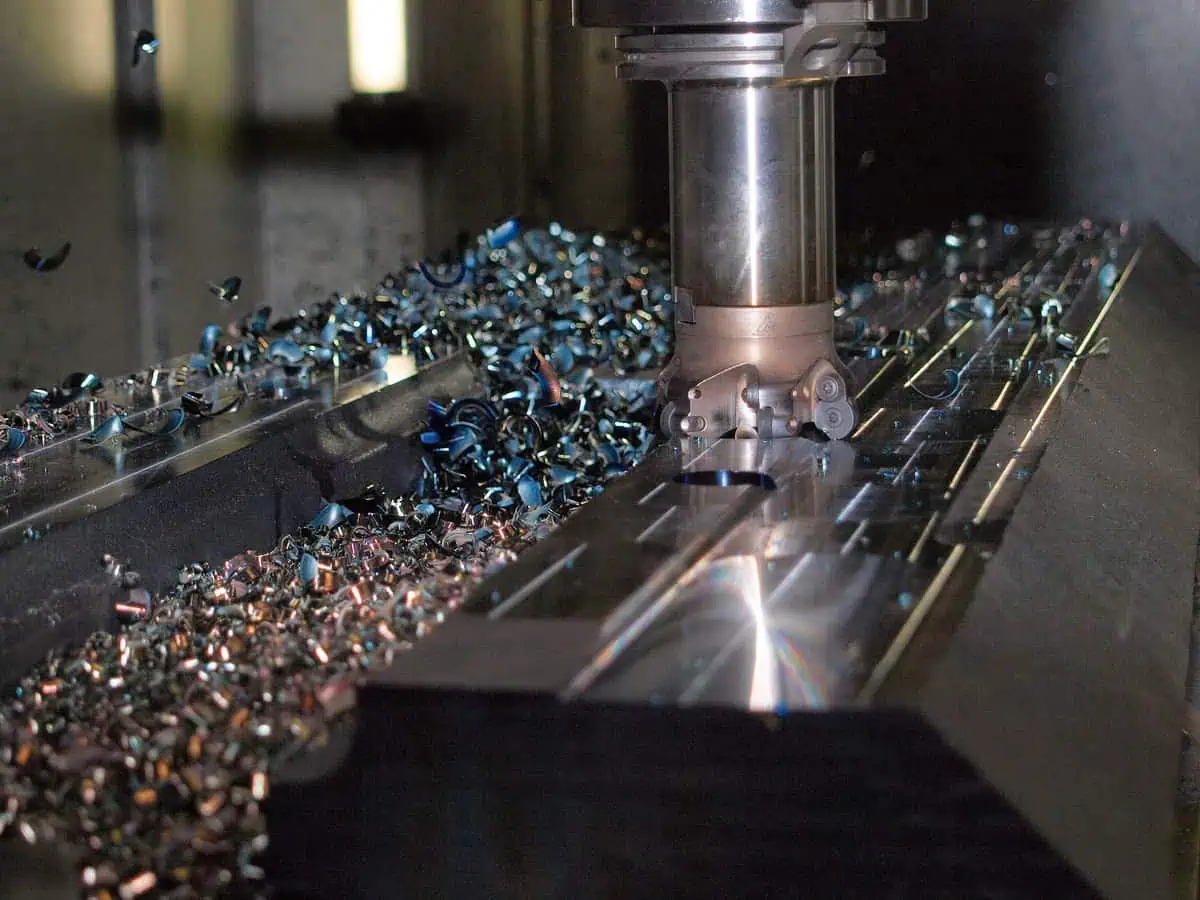
CNC turning is a manufacturing process
used to create cylindrical and rotational components. It is widely used in automotive, aerospace, industrial machinery, electronics, medical equipment, and many other industries.
In CNC turning, a workpiece is mounted securely in a chuck or similar holding device. The workpiece rotates at a controlled speed while a cutting tool moves along its surface to remove material.
The process begins with a digital design or technical drawing. A CNC programmer develops a machining program that controls spindle speed, tool movement, cutting depth, feed rate, and other parameters.
One of the most common turning operations is facing. During facing, the cutting tool moves across the end of the rotating workpiece to create a flat surface.
External turning reduces the outside diameter of a component. Internal boring enlarges or finishes an existing hole. Grooving creates narrow channels, while threading produces internal or external threads.
Drilling can also be performed on CNC turning centers. More advanced machines may include live tooling, allowing milling, drilling, and other operations to be performed during the same setup.
CNC turning is highly efficient for producing large quantities of rotational parts. Components such as shafts, bushings, pins, spacers, fittings, rollers, and threaded connectors can often be produced quickly and consistently.
Material selection is important in CNC turning. Aluminum, stainless steel, carbon steel, brass, copper, titanium, and engineering plastics can all be machined using appropriate tools and cutting parameters.
Tool selection affects both productivity and quality. Carbide inserts are commonly used for many industrial turning applications because they can withstand high cutting speeds and temperatures.
Workholding also plays an important role. The workpiece must remain secure and properly aligned during machining. Different chuck configurations, collets, soft jaws, and specialized fixtures may be used depending on the component.
CNC turning offers excellent repeatability. Once the machining process is validated, manufacturers can produce large numbers of components with consistent dimensions.
Quality inspection may include diameter measurement, length measurement, thread inspection, surface-finish evaluation, and geometric verification.
CNC turning is particularly valuable when components require tight tolerances. Professional manufacturers can use advanced measurement equipment to verify that parts meet engineering specifications.
Production efficiency can also be improved through automation. Bar feeders, robotic loading systems, automatic tool changers, and integrated inspection systems can help reduce manual intervention.
For companies requiring precision cylindrical components, CNC turning provides an efficient and reliable manufacturing solution.