
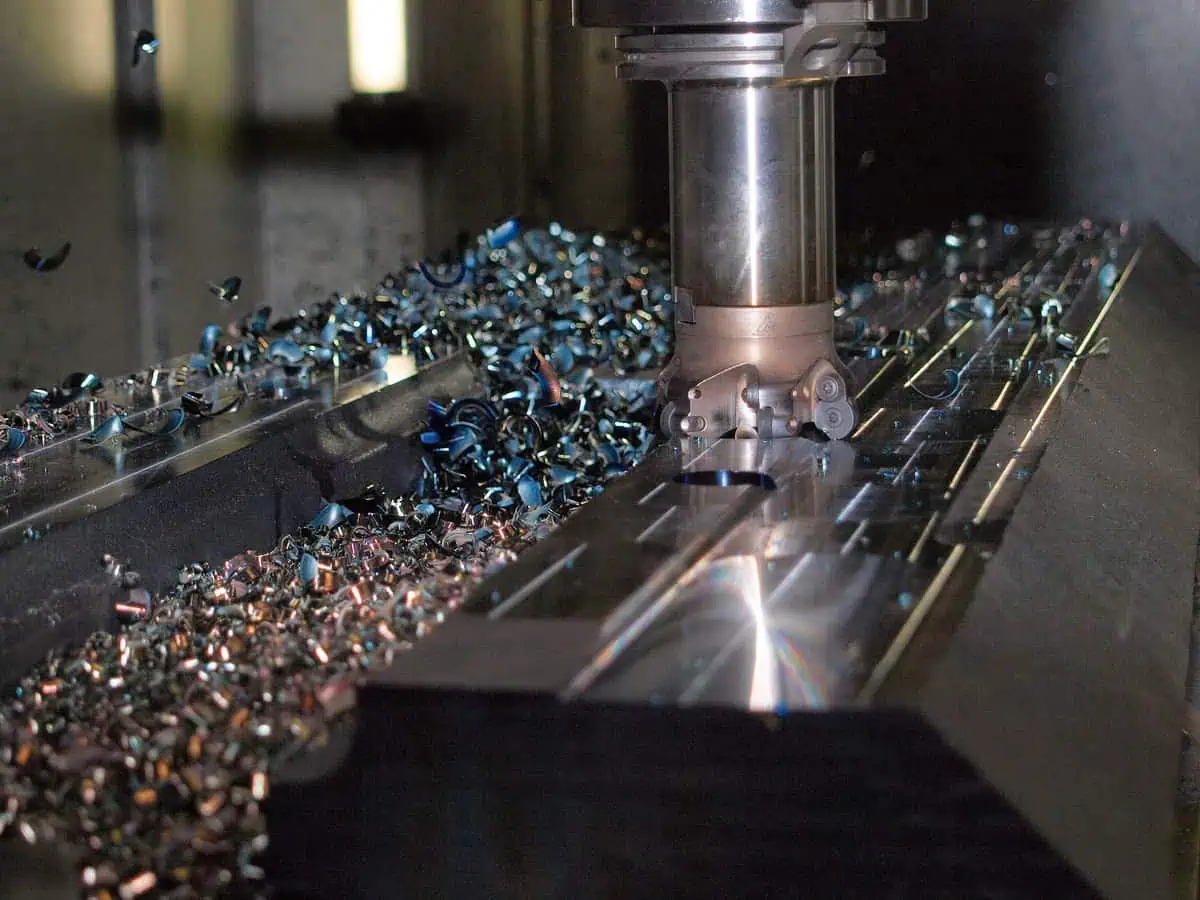
Precision is one of the most important factors in modern manufacturing. A component that is slightly outside its required dimensions may fail to fit correctly, reduce product performance, or create safety problems. CNC machining provides manufacturers with advanced tools for achieving consistent dimensional accuracy and high-quality results.
CNC machines operate according to computer-generated instructions. Instead of relying entirely on manual operator movements, the machine follows programmed coordinates and toolpaths. This reduces variability and allows manufacturers to repeat the same machining process with high consistency.
One major factor affecting precision is machine rigidity. A rigid CNC machine can resist vibration and deflection during cutting. Machine construction, spindle quality, linear guides, and overall mechanical design can therefore have a significant impact on machining accuracy.
Tool selection is equally important. Different materials and machining operations require different cutting tools. Carbide end mills, drills, inserts, reamers, and specialty tools may be selected depending on the application.
Cutting parameters also influence quality. Spindle speed, feed rate, depth of cut, and cutting speed must be carefully selected. Excessive cutting forces can cause tool deflection, vibration, poor surface finish, or dimensional errors.
Workholding is another critical factor. A component must remain securely positioned throughout machining. If the workpiece moves during cutting, even a highly accurate CNC machine cannot produce the intended result.
Temperature can also affect precision. Machining generates heat, and thermal expansion can influence dimensions. Professional manufacturers therefore consider coolant systems, environmental conditions, machine warm-up, and machining strategies when producing high-precision components.
Inspection plays a major role in quality control. CNC manufacturers may use coordinate measuring machines, height gauges, micrometers, calipers, optical measurement systems, surface-finish instruments, and other inspection equipment.
Modern CNC machines may also use in-process probing. Probes can automatically measure workpieces, locate features, detect offsets, and help compensate for variations during production.
Quality documentation is important for industries that require traceability. Depending on the application, manufacturers may provide inspection reports, material certificates, dimensional reports, first-article inspection documentation, and other quality records.
CNC machining is particularly valuable in industries where precision is critical. Aerospace components may require extremely tight tolerances. Medical devices often demand precise dimensions and excellent surface quality. Automotive components must fit reliably within complex assemblies. Industrial machinery may depend on accurate shafts, gears, housings, and mounting components.
Design also affects manufacturability. Engineers can improve CNC machining results by following Design for Manufacturing principles. Appropriate tolerances, tool access, corner radii, wall thicknesses, hole sizes, and material selections can make parts easier and more economical to manufacture.
Precision does not simply mean achieving the smallest possible tolerance. Overly tight tolerances can increase manufacturing costs without providing meaningful functional benefits. A professional CNC manufacturer can help determine where tight tolerances are genuinely necessary.
The combination of advanced machinery, skilled programmers, quality-control systems, optimized tooling, and careful process planning allows CNC manufacturers to deliver reliable precision components.
As modern products become increasingly sophisticated, precision manufacturing will become even more important. CNC machining provides the technology required to meet these demanding requirements while maintaining repeatability and production efficiency.