
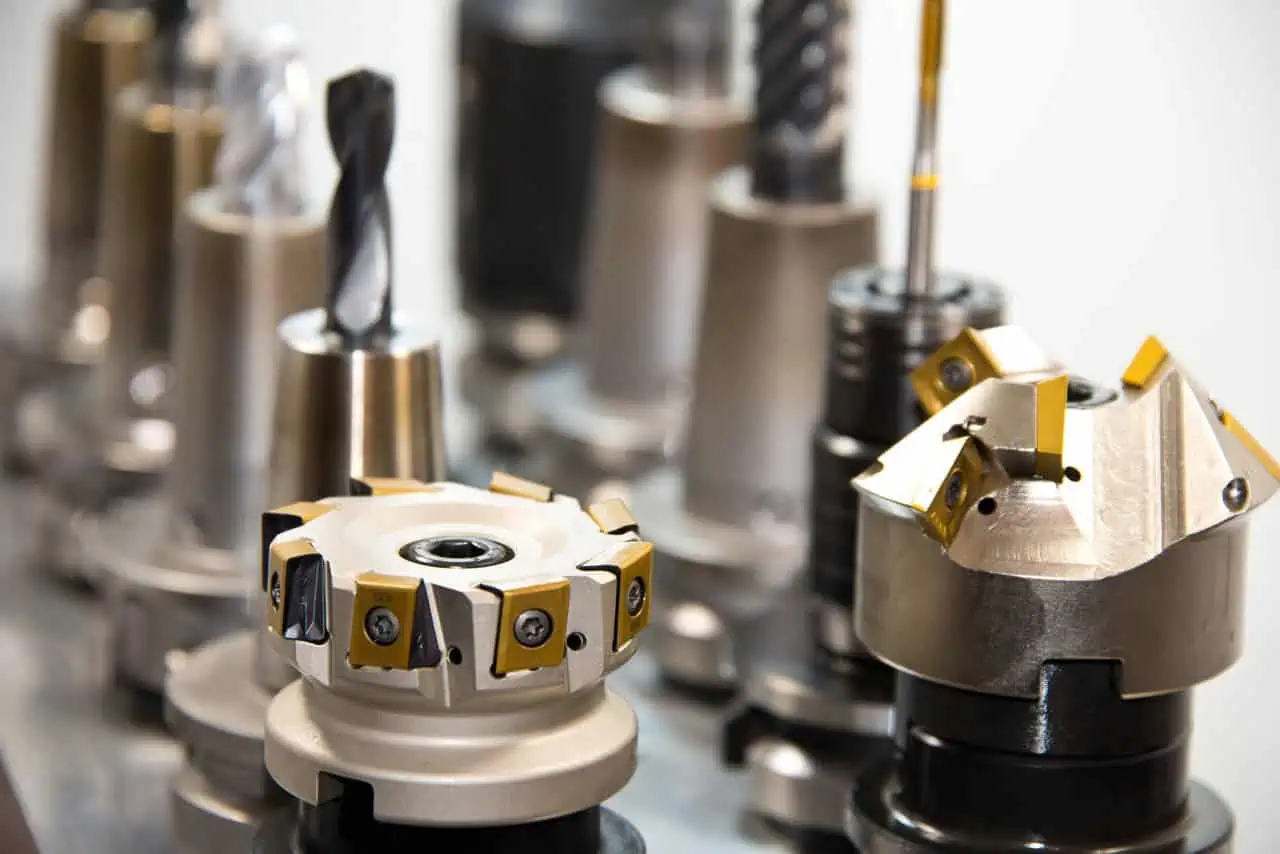
Modern manufacturing requires speed, precision, flexibility, and consistent quality. CNC machining has become a critical technology because it addresses many of these requirements simultaneously.
One of the primary benefits of CNC machining is high precision. Computer-controlled machines can follow programmed toolpaths with exceptional accuracy. When properly programmed and maintained, CNC equipment can produce components with tight dimensional tolerances that would be difficult to achieve consistently through manual machining.
Consistency is another major advantage. Once a CNC program has been developed and validated, manufacturers can use the same process to produce multiple components. This repeatability is especially valuable for production environments where hundreds or thousands of identical parts may be required.
CNC machining can also reduce production time. Automated machine movements allow many operations to be performed quickly and efficiently. Advanced machining centers can automatically change tools, measure components, and perform multiple operations without requiring constant manual intervention.
Another important advantage is the ability to manufacture complex designs. Traditional manufacturing methods can become difficult when components contain intricate curves, deep pockets, angled surfaces, or complex three-dimensional features. Multi-axis CNC machining can create these geometries with fewer setups.
CNC technology also improves workplace safety. Operators do not need to manually control cutting tools throughout every stage of production. Machines can perform repetitive cutting operations inside controlled environments while operators focus on programming, inspection, setup, and process management.
Material flexibility is another benefit. CNC machines can process a wide variety of materials, including aluminum, stainless steel, carbon steel, brass, copper, titanium, plastics, and composite materials.
CNC machining is also highly suitable for prototyping. Engineers can create a CAD model, manufacture a prototype, test it, identify problems, and make design changes. This iterative process can significantly reduce product-development time.
Another major benefit is scalability. CNC machining can support prototype production, low-volume manufacturing, medium production runs, and high-volume manufacturing depending on the equipment, automation level, and production strategy.
Digital integration makes CNC machining even more powerful. Modern manufacturing environments can connect CAD, CAM, CNC machines, inspection systems, production-management software, and quality-control systems. This creates a more connected manufacturing workflow.
CNC machining can also reduce material waste when properly planned. CAM software allows manufacturers to optimize toolpaths and cutting strategies. Although machining inherently removes material, efficient programming can minimize unnecessary cutting and improve productivity.
For businesses, CNC machining can provide significant long-term economic benefits. Although CNC machines can require substantial initial investment, their productivity, repeatability, flexibility, and automation capabilities can reduce labor requirements and production costs over time.
However, achieving these benefits requires expertise. Poor programming, inappropriate tooling, incorrect workholding, excessive cutting forces, or inadequate inspection can reduce quality and increase costs.
For this reason, selecting the right CNC machining partner is important. A professional manufacturer should understand not only how to operate CNC equipment but also how to optimize the complete manufacturing process.
As industries increasingly demand smaller tolerances, more complex components, faster development cycles, and shorter delivery times, CNC machining will continue to play an essential role in modern manufacturing.