
CNC machining is one of the most important manufacturing technologies used in modern industry. From automotive components and aerospace parts to medical devices and industrial equipment, CNC machines are responsible for producing thousands of precision components every day. CNC stands for Computer Numerical Control, which means that a computer controls the movement and operation of a machine tool according to programmed instructions.
Unlike traditional machining, where an operator manually controls many movements, CNC machining uses digital designs and computer-controlled processes. This allows manufacturers to produce complex parts with excellent accuracy, consistency, and repeatability.
The CNC machining process usually begins with a digital design created using CAD, or Computer-Aided Design, software. Engineers create a three-dimensional model of the required component. The CAD file is then converted into machine instructions using CAM, or Computer-Aided Manufacturing, software. These instructions are commonly referred to as G-code and M-code. The CNC machine reads the programmed instructions and automatically controls cutting tools, spindle speed, feed rate, and machine movements.
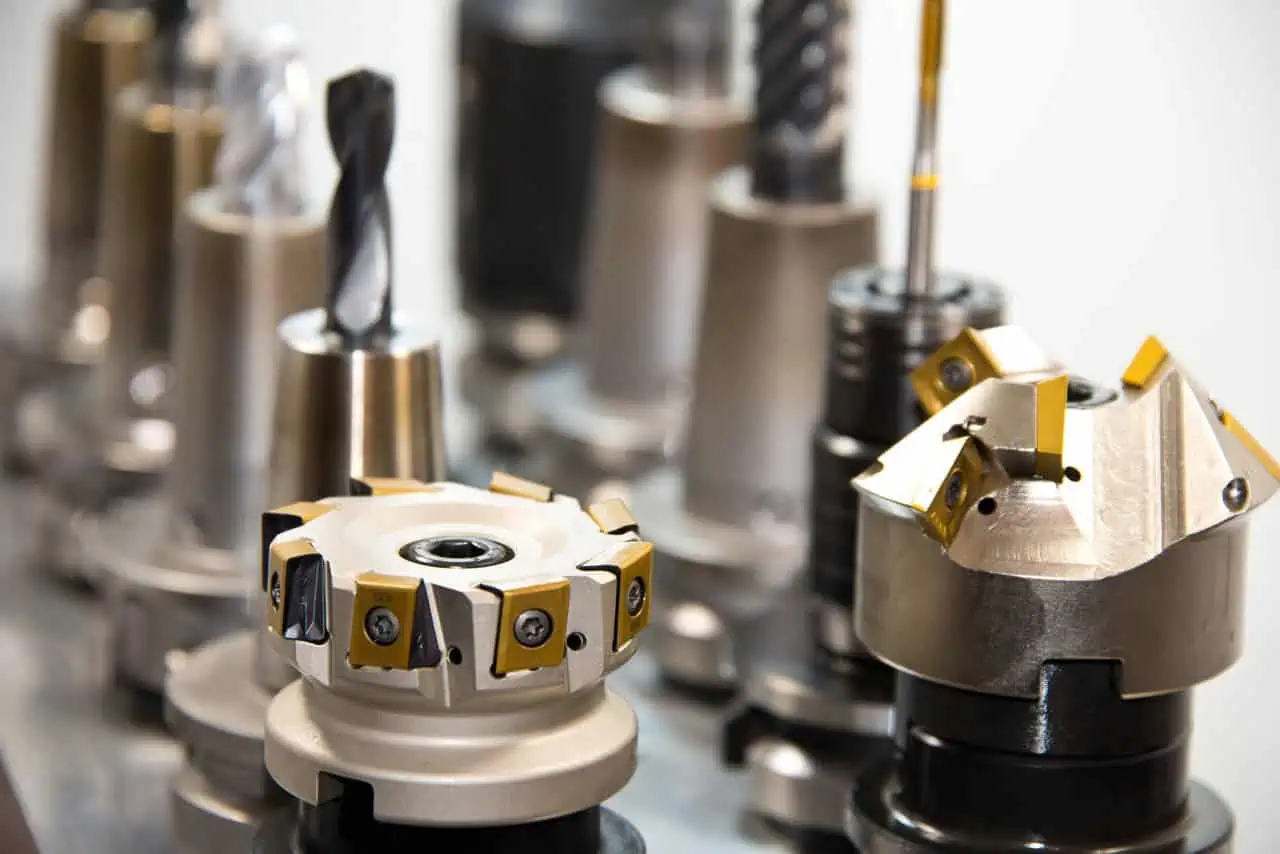
There are several types of CNC machines available for different manufacturing requirements. CNC milling machines use rotating cutting tools to remove material from a stationary workpiece. CNC lathes and turning centers rotate the workpiece while cutting tools shape the material. CNC routers are commonly used for materials such as wood, plastic, and composites. More advanced machining centers may provide multiple axes of movement, allowing manufacturers to produce highly complex geometries.
One of the biggest advantages of CNC machining is precision. Modern CNC machines can manufacture components with extremely tight tolerances when the correct machine, tooling, material, and process parameters are used. This is especially important for industries such as aerospace, medical, automotive, and defense, where even a small dimensional error can affect product performance.
CNC machining also provides excellent repeatability. Once a program has been properly developed and tested, the same component can be produced repeatedly with consistent dimensions. This makes CNC manufacturing highly suitable for both prototypes and large production runs.
Another major advantage is flexibility. CNC machines can work with many different materials, including aluminum, stainless steel, carbon steel, brass, copper, titanium, engineering plastics, and various composites. Manufacturers can also use different cutting tools and machining strategies depending on the material and design.
CNC technology also reduces dependence on manual operations. Automation can improve productivity, reduce human error, and help manufacturers maintain consistent quality. Modern CNC systems can include automatic tool changers, probing systems, coolant management, robotic loading, and other automation technologies.
However, CNC machining is not simply about purchasing a machine and pressing a button. Successful CNC manufacturing requires experienced engineers, machinists, programmers, quality-control specialists, and proper process planning. Tool selection, workholding, feeds and speeds, material properties, tolerances, surface finish, and inspection requirements all influence the final result.
For companies developing new products, CNC machining is particularly valuable because it allows prototypes to be manufactured directly from digital designs. Engineers can test a physical component, identify design problems, make modifications, and produce another version quickly.
As manufacturing continues to become more digital, CNC machining will remain an essential part of modern production. Combined with CAD/CAM software, automation, robotics, inspection systems, and advanced materials, CNC technology enables manufacturers to create products faster, more accurately, and more efficiently.
For businesses that require reliable precision components, choosing an experienced CNC machining partner can make a significant difference. A capable manufacturer can help optimize designs, select appropriate materials, reduce machining costs, and ensure that finished components meet the required specifications.