
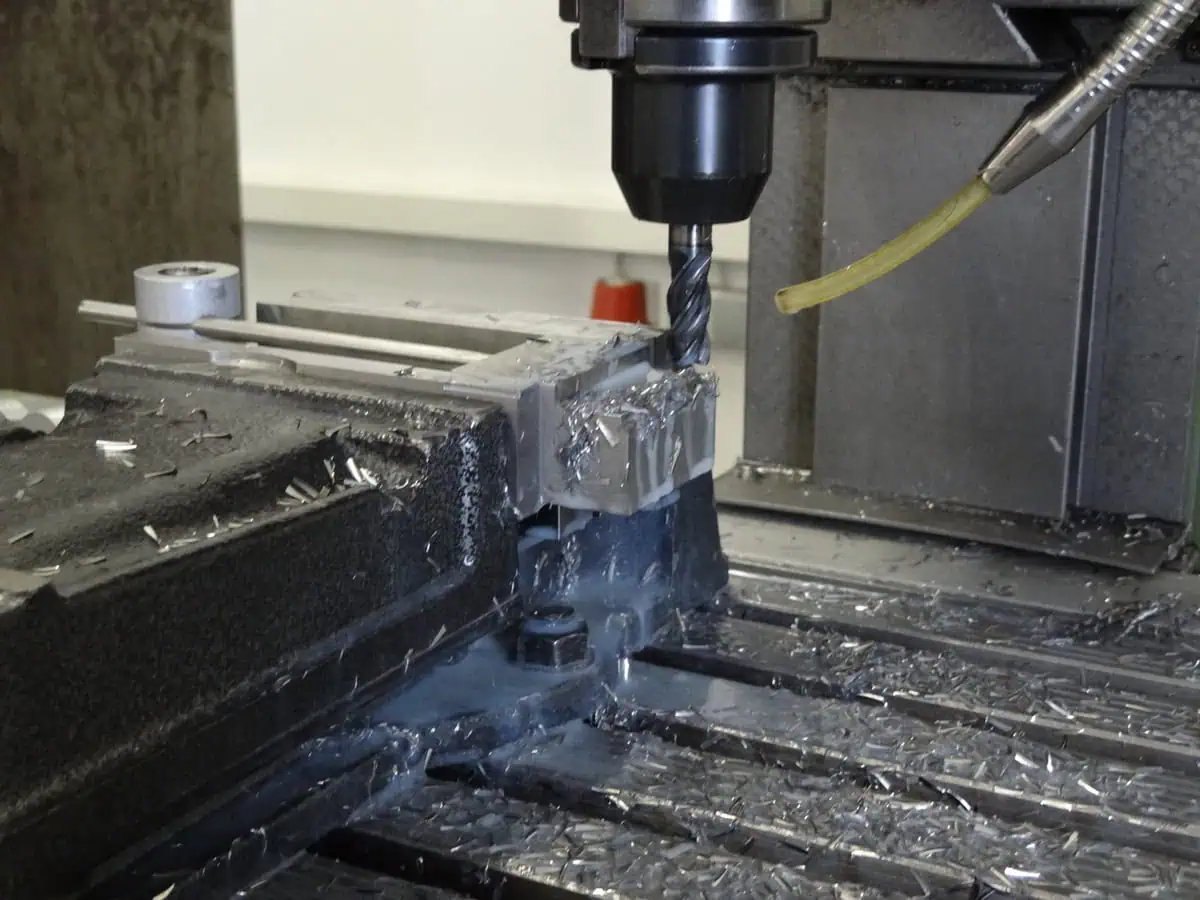
Material selection is one of the most important decisions in CNC manufacturing. The material affects machining performance, component strength, weight, durability, corrosion resistance, cost, surface finish, and final application performance.
Aluminum is one of the most commonly used CNC machining materials. It is lightweight, relatively easy to machine, corrosion resistant, and available in many grades. Aluminum is widely used in aerospace, automotive, electronics, robotics, industrial equipment, and consumer products.
Stainless steel is another popular choice. It offers excellent corrosion resistance, strength, and durability. However, stainless steel can be more difficult to machine than aluminum because of its hardness and tendency to generate heat.
Carbon steel provides excellent strength and is commonly used for mechanical components, shafts, brackets, gears, and industrial equipment. Different grades can be selected depending on strength, hardness, and application requirements.
Brass is valued for its machinability and appearance. It is often used for fittings, connectors, valves, decorative components, and precision mechanical parts. Brass can also provide good corrosion resistance and electrical conductivity.
Copper is known for its excellent electrical and thermal conductivity. CNC-machined copper components are commonly used in electrical systems, heat-transfer applications, and specialized industrial equipment.
Titanium offers an excellent strength-to-weight ratio and strong corrosion resistance. It is widely used in aerospace, medical, motorsport, and other high-performance applications. However, titanium can be more challenging and expensive to machine.
Engineering plastics are also widely used in CNC manufacturing. Materials such as nylon, PEEK, Delrin, acrylic, polycarbonate, and UHMW can be selected for applications requiring low weight, chemical resistance, electrical insulation, or low friction.
When selecting a material, engineers should consider the operating environment. Will the component be exposed to moisture, chemicals, high temperatures, mechanical loads, or electrical currents?
Strength requirements are also important. A structural component may require high tensile strength and hardness, while an enclosure may prioritize lightweight construction and appearance.
Machinability should also be considered. Some materials are significantly easier to machine than others. A highly difficult material may require specialized tooling, slower cutting parameters, additional coolant, and longer production times.
Cost is another consideration. Material price can vary significantly, particularly for specialty metals such as titanium and high-performance engineering plastics.
Surface finishing requirements may also influence material selection. Some materials respond particularly well to anodizing, polishing, plating, powder coating, or other finishing processes.
An experienced CNC manufacturer can help customers choose the most appropriate material based on the intended application and budget.
Selecting the correct material at the beginning of a project can prevent expensive redesigns and production problems later. Engineers should therefore evaluate mechanical properties, environmental resistance, machinability, availability, finishing requirements, and total manufacturing cost before making a final decision.